Daytona Spin UK Guide: Rules, Limits and Player Checks
 Available in GB
For a UK reader, several Great Britain rules matter when assessing an online casino: operators serving consumers remotely need the appropriate Gambling Commission licence, online slot stakes are capped at £5 per game cycle for people aged 25 or over and £2 for ages 18 to 24, and GAMSTOP is the national multi-operator online self-exclusion framework for Gambling Commission licensed operators. Light-touch financial vulnerability checks are already part of the licensed remote framework. A further change takes effect on 30 September 2026, when gross deposit limits must be offered and only that form of limit may be called a “deposit limit”. These are jurisdiction-level facts. For the brand-specific licence position, check the dedicated trust and licence guide.
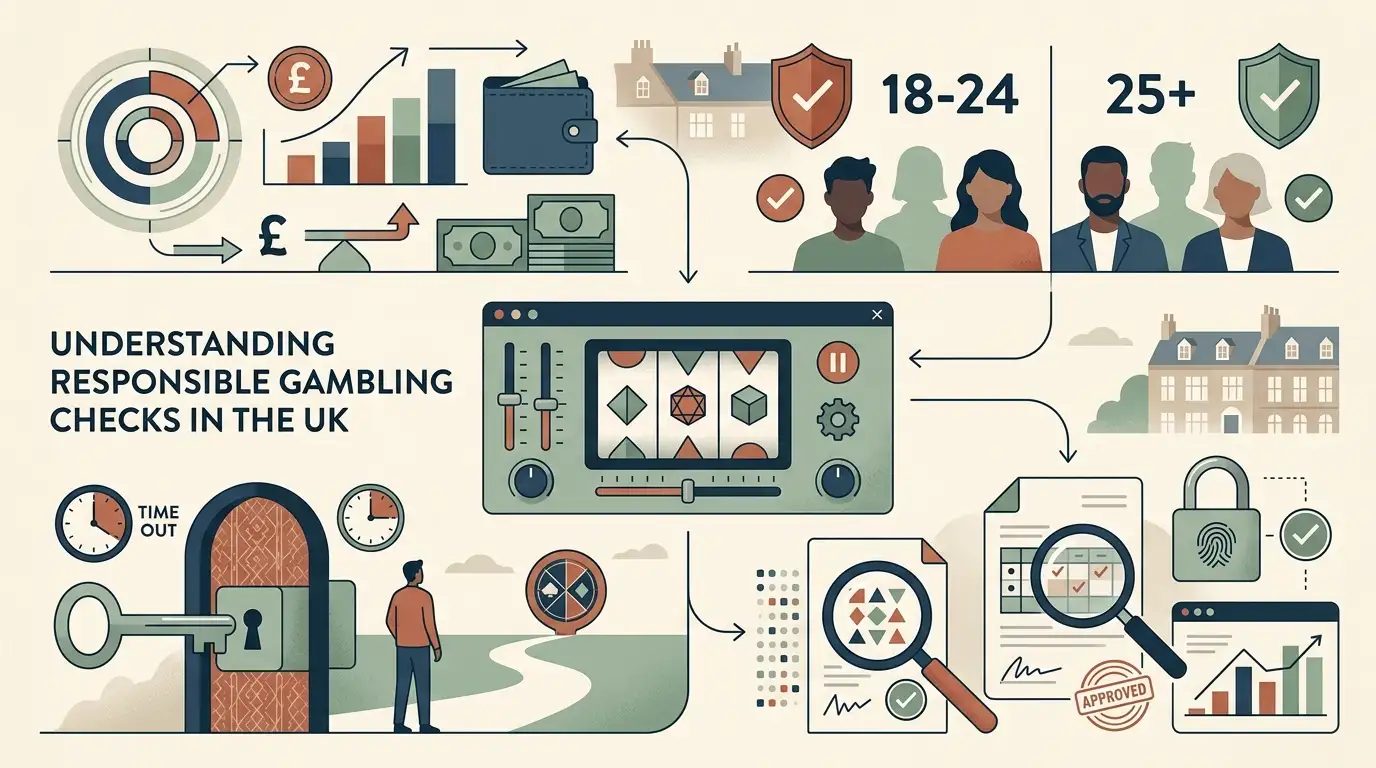
Table of Contents
- UK rules in one view
- Remote gambling licensing in Great Britain
- Online slot stakes: £5 and £2 caps
- GAMSTOP and multi-operator self-exclusion
- Financial vulnerability checks already exist
- What changes on 30 September 2026
- Ordinary gambling winnings and UK tax
- Player checks: what a UK reader should expect to check
- Marketing and bonus terms in the UK framework
- A practical UK checklist before using Daytona Spin
- Why this page avoids a blanket legal label
- Key takeaway for UK readers
UK rules in one view
| Topic | Great Britain position | What it means for this guide |
|---|---|---|
| Remote licensing | Operators providing remote gambling to consumers in Great Britain require the appropriate Gambling Commission licence. | Check the brand and operator in the public register rather than assuming a licence from UK-facing marketing. |
| Online slot stake cap | £5 per game cycle for ages 25+, £2 for ages 18-24. | The caps apply to licensed remote casino slot play, not to every casino product. |
| Self-exclusion | GAMSTOP is the multi-operator online self-exclusion scheme referenced by the Gambling Commission. | Do not assume Daytona Spin coverage unless its local licensing and participation are confirmed. |
| Financial vulnerability checks | Light-touch checks are required across the licensed remote sector. | This is a UKGC framework fact, not proof that a specific brand has performed a particular check on a particular account. |
| Financial Risk Assessments | The Commission has chosen staged implementation, with the July 2026 update saying the Stage 1 start date would be confirmed later. | Do not describe the full staged model as universally active already. |
| Deposit-limit wording | From 30 September 2026, gross deposit limits must be offered and only gross deposit limits may use the term “deposit limit”. | The effective date is important because this page is being prepared before that change starts. |
| Player tax | Ordinary gambling winnings are generally not taxed as trading income for the player. | Unusual business or trading arrangements need separate tax advice. |
Remote gambling licensing in Great Britain
The Gambling Commission regulates gambling in Great Britain. The key legal framework includes the Gambling Act 2005 and the later licensing and advertising changes that brought overseas remote operators serving British consumers within the local licensing regime. The practical point for a casino review is straightforward: a service offering remote gambling to consumers in Great Britain is expected to hold the appropriate Gambling Commission operating licence.
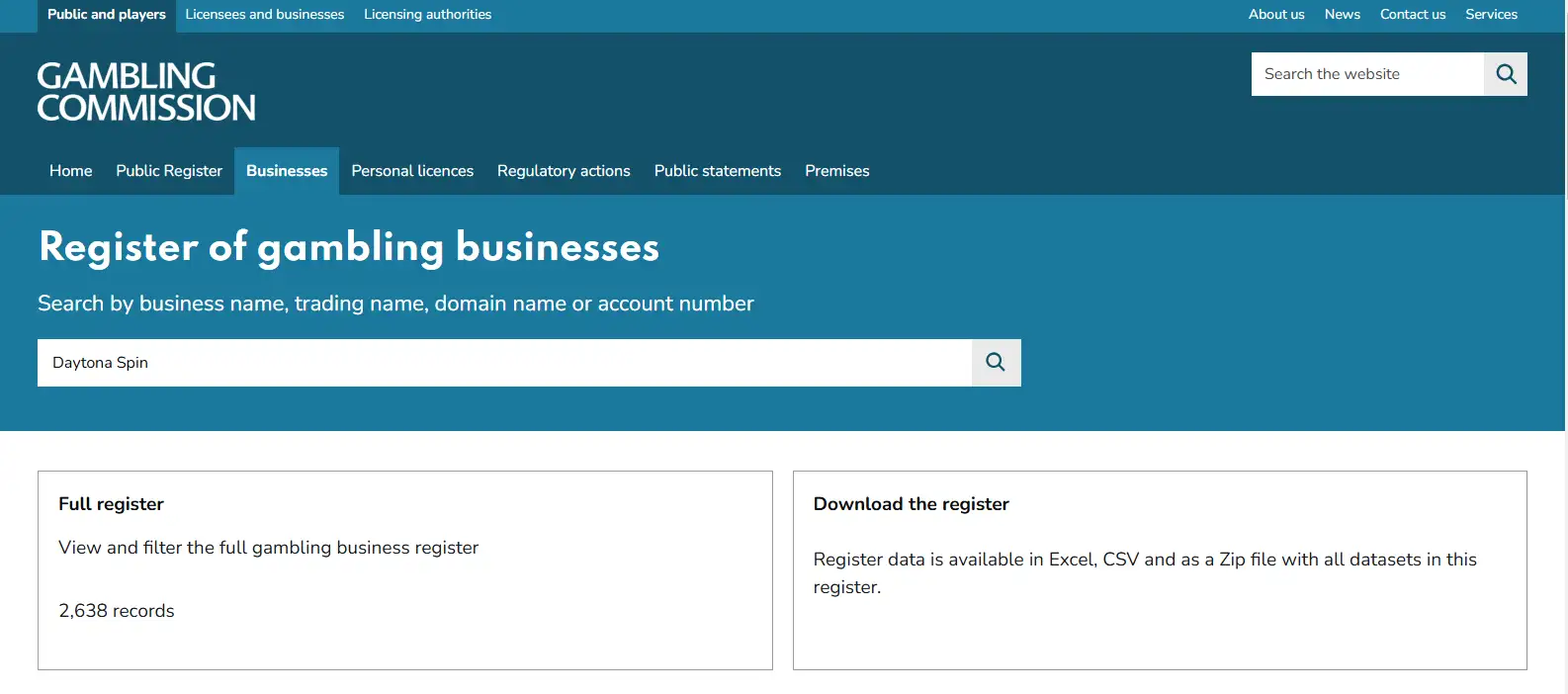
That rule should not be converted into a brand-specific claim without a current register record. For the brand-specific licence position, check the dedicated trust and licence guide. For the information behind that narrower question, use the Daytona Spin licence page. This UK page explains the local framework; the trust page owns the brand-specific licensing information.
Jurisdiction rule vs brand fact
“A UK-facing remote operator needs a UKGC licence” describes the Great Britain framework. For the brand-specific licence position, check the dedicated trust and licence guide. The second claim is not confirmed in the available information.
Online slot stakes: £5 and £2 caps
The online slot stake cap is one of the clearest Great Britain rules a player can check. For customers aged 25 or over, the maximum stake is £5 per game cycle. For customers aged 18 to 24, it is £2 per game cycle. The £5 limit came into effect on 9 April 2025 and the £2 limit for 18 to 24 year olds on 21 May 2025.
The scope matters. These are online slot limits attached to remote casino operating licences. They are not a universal £5 or £2 cap for roulette, blackjack, live dealer tables or every other casino-style product. That difference is useful when reading a game lobby, because a site can contain both slots and non-slot casino categories with different product rules.
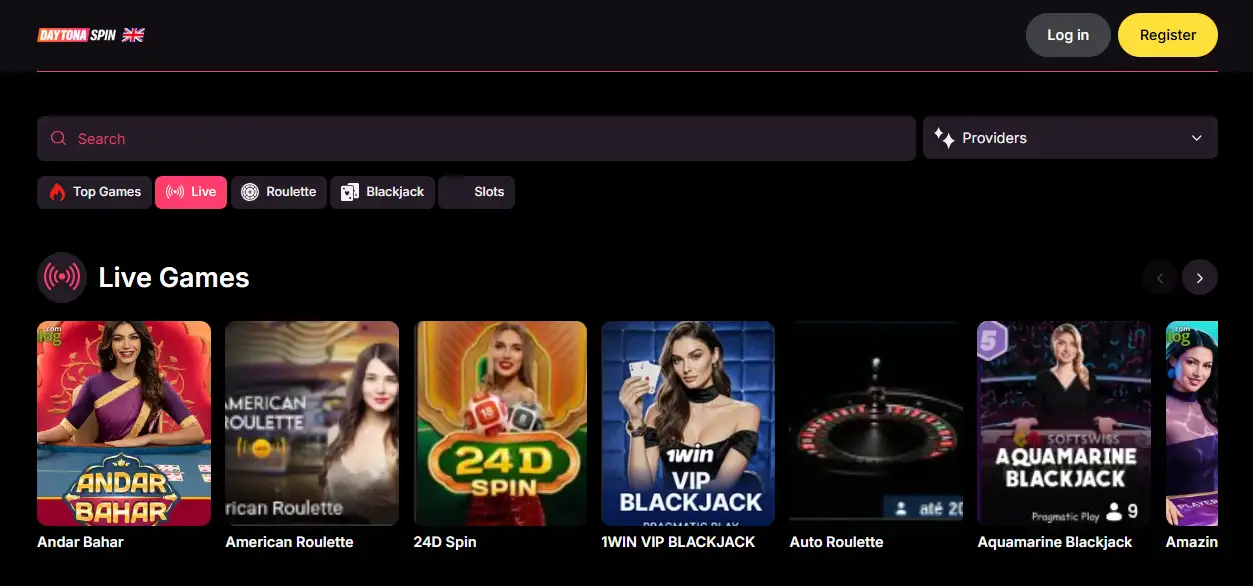
For Daytona Spin specifically, the available details confirms that slots and a live casino section are available. The deeper product mix belongs on the games page and live dealer detail belongs on the dedicated live casino guide, rather than being repeated here.
GAMSTOP and multi-operator self-exclusion
The Gambling Commission describes GAMSTOP as the multi-operator online self-exclusion scheme. Within the Great Britain licensed framework, it gives a person one route to self-exclude from online gambling websites and apps run by participating licensed businesses. The Commission also requires gambling businesses to maintain their own self-exclusion arrangements.
This does not establish that Daytona Spin is covered. For the brand-specific licence position, check the dedicated trust and licence guide. If multi-operator self-exclusion coverage is a deciding factor for you, check the operator in the UKGC public register and check coverage before creating or funding an account.
That distinction is more useful than a generic “responsible gambling” badge. A tool has value only if it actually applies to the service you are considering.
Financial vulnerability checks already exist
Light-touch financial vulnerability checks have been a requirement on remote gambling businesses in the licensed Great Britain sector since August 2024. The Gambling Commission describes these checks as using publicly available information to identify customers who may be particularly financially vulnerable, for example where bankruptcy information is present.
They should not be confused with the separate Financial Risk Assessment programme. In July 2026 the Commission said it had decided to proceed with staged implementation of Financial Risk Assessments, but the Stage 1 start date would be confirmed later. That means it would be inaccurate to describe the full staged assessment model as already universal across the market today.
For a reader, the useful takeaway is to separate three things: normal identity and age identity check, existing light-touch financial vulnerability checks in the licensed remote framework, and the staged Financial Risk Assessment model that is still being rolled out.
What changes on 30 September 2026
The date matters because this guide is dated 24 September 2026. The Gambling Commission’s updated Remote Gambling and Software Technical Standards changes take effect on 30 September 2026. From that date, licensed systems must offer gross deposit limits. A gross deposit limit restricts the amount a customer can deposit over the defined period without subtracting withdrawals.
Only a limit matching that gross definition may be called a “deposit limit”. Operators may also offer other financial limits, including stake, loss or net deposit limits, but those are distinct tools. If several limit types are offered, gross deposit limits must be given at least equal prominence. The system must prevent further deposits once the limit is reached until the defined period restarts or the customer increases the limit subject to the applicable cooling-off rule.
This is a standards change for the Great Britain licensed framework. For the brand-specific licence position, check the dedicated trust and licence guide. The Daytona Spin payment methods page covers the confirmed Daytona Spin payment categories without treating them as proof of local regulatory status.
Ordinary gambling winnings and UK tax
HMRC’s current guidance maintains the longstanding distinction between being an ordinary punter and carrying on a trade. Betting and gambling by themselves do not normally constitute trading, even where a person is systematic or successful. For ordinary customers, gambling winnings are therefore generally not taxed as trading income, while operators face their own separate gambling duties and business taxes.
This is a general tax explanation, not personal tax advice. An unusual arrangement can be different, especially where gambling is connected to a separate trade or commercial activity. The safe reading for a normal casino customer is simply that ordinary winnings are generally not taxed in the way employment or trading income is.
Player checks: what a UK reader should expect to check
Local regulation and brand process should again be kept separate. The Great Britain framework places age, identity, social-responsibility and customer-protection obligations on licensees. Daytona Spin specific KYC details, however, need their own information. the available details does not permit publication of an exact Daytona Spin document list or identity check time because those details that can change and need current official confirmation have not been freshly established from a reliable official source.
For that reason, the Daytona Spin registration guide explains the practical account flow without inventing a passport list, proof-of-address list or processing promise. Before depositing, check which documents the current operator terms actually request and when identity check may be triggered.
Marketing and bonus terms in the UK framework
Great Britain gambling marketing rules require social responsibility and particular protection for under-18s and vulnerable people. Significant promotion conditions must also be clear and prominent where leaving them out could mislead a customer. This is particularly relevant when comparing a headline welcome offer with the rules that determine whether the bonus has real value for your play style.
Daytona Spin currently advertises a welcome promotion in the available details, but this site does not list an exact wagering multiplier, max-bet rule, expiry period or other changeable bonus detail without a current official terms source. Use the Daytona Spin bonus page for the current details and the questions to check before opting in.
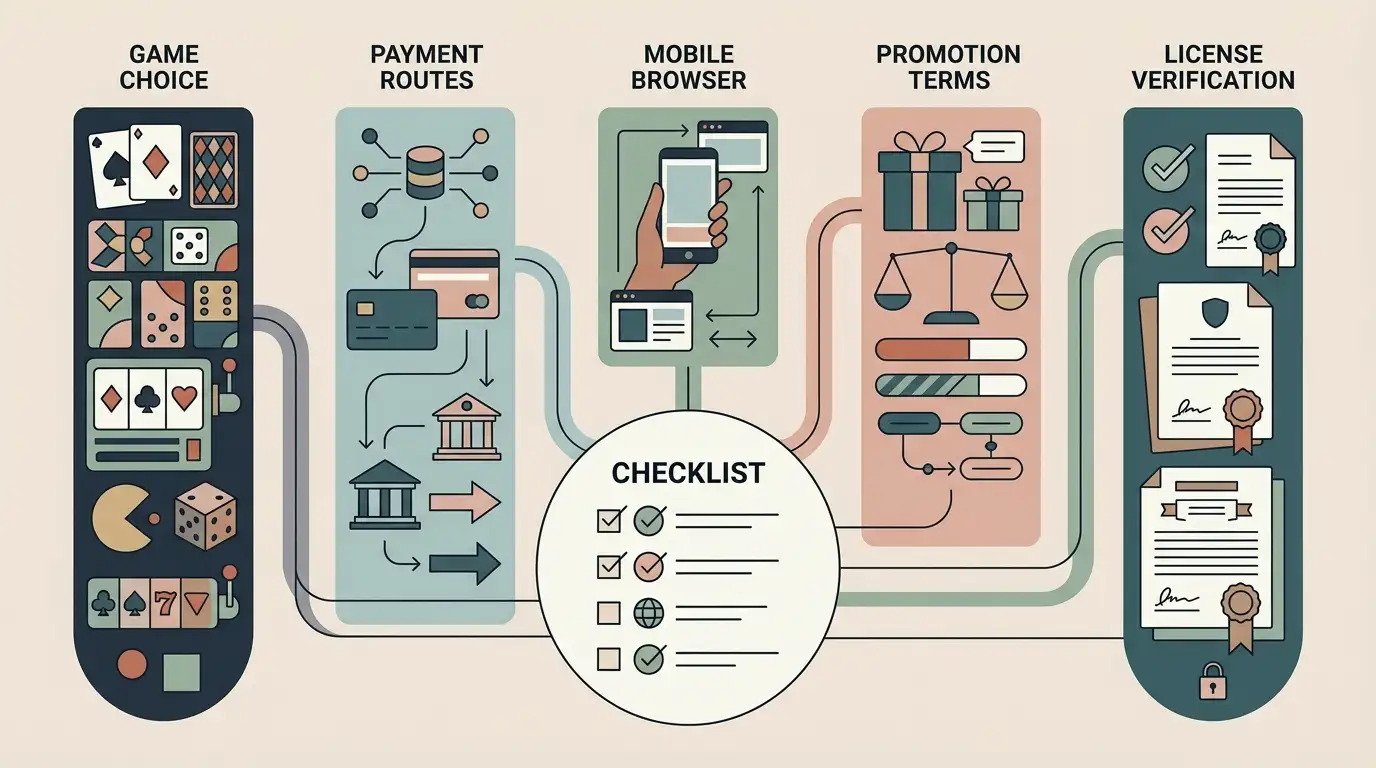
A practical UK checklist before using Daytona Spin
- Check the Gambling Commission public register for the brand and operator if UKGC oversight matters to you.
- Do not infer local licensing from GBP support, UK-facing copy or the ability to load the website.
- Remember that the £5 and £2 stake caps are online slot rules within the licensed Great Britain framework, not limits for every casino game.
- If self-exclusion coverage matters, check that the service falls within the GAMSTOP framework rather than assuming it.
- Check the current financial-limit tools, particularly around the 30 September 2026 RTS change.
- Read the current bonus terms before activating a promotion.
- Confirm withdrawal rules for the payment method you plan to use and complete any required account checks.
The Daytona Spin UK decision guide turns these checks into a broader feature-by-feature framework without giving the brand a universal score.
Why this page avoids a blanket legal label
A jurisdiction can have clear rules while the available information about one brand remains incomplete. The Gambling Commission requirement for remote operators serving Great Britain is clear. The online slot stake caps are clear. GAMSTOP’s role in the licensed framework is clear. The 30 September 2026 deposit-limit change is clear. For the brand-specific licence position, check the dedicated trust and licence guide.
That is why this guide avoids saying that Daytona Spin is simply “legal” or “illegal” in the UK. A meaningful finding needs the brand-specific register information covered on the trust page. Keeping those layers separate prevents a local-rule explainer from becoming a substitute for licence identity check.
Key takeaway for UK readers
Great Britain has specific, checkable rules for licensed remote gambling. Online slots have £5 and £2 age-banded stake caps, GAMSTOP is the multi-operator online self-exclusion framework, light-touch financial vulnerability checks are already required, and gross deposit-limit terminology changes on 30 September 2026. Ordinary player winnings are generally not taxed as trading income.
Use those facts as a benchmark, not as proof about Daytona Spin itself. For this brand, keep local licence identity check, payment features, account checks and promotions as separate information questions. Start with the Daytona Spin casino review, then use the specialist pages for the specific feature that affects your own decision.
Published by the Daytonaspin Casino team.